
Multisystem disorder doctor Sambhaji Nagar
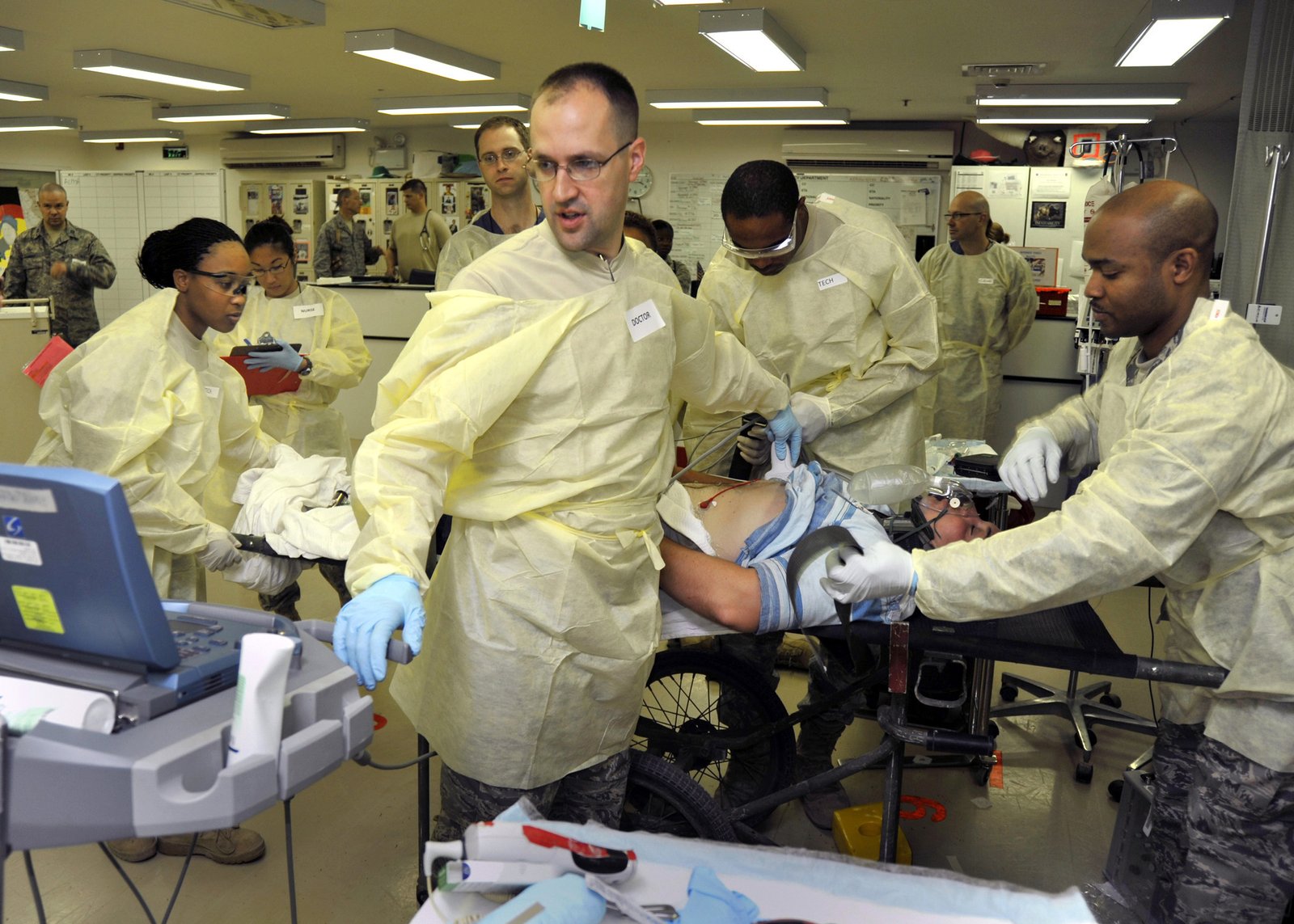
Multisystem disorders are complex medical conditions that affect more than one organ or body system simultaneously. These disorders require specialized medical attention, not only for accurate diagnosis but also for coordinated treatment. Patients suffering from such conditions often experience a range of symptoms that may seem unrelated at first, making diagnosis particularly challenging. This is where a multisystem disorder doctor plays a vital role.
What is a Multisystem Disorder Doctor?
A multisystem disorder doctor is a specialist, often from internal medicine, immunology, or rheumatology, who focuses on diseases that affect multiple organs. Unlike a general physician who may focus on one symptom or one system, these doctors have a comprehensive understanding of complex diseases that require a multi-pronged approach.
When Should You See a Multisystem Disorder Doctor?
- Persistent fatigue along with joint pain and skin rashes
- Difficulty breathing combined with muscle weakness
- Unexplained weight loss, fevers, or night sweats
- Swollen lymph nodes and abnormal blood tests affecting multiple organs
- Neurological symptoms (e.g., numbness, tingling) combined with gastrointestinal issues
Advanced Equipment Emergency Care Physicians
- Ventilators and BiPAP/CPAP machines
- ECG and continuous cardiac monitors
- Infusion and syringe pumps
- Defibrillators and pacemakers
- Blood gas analyzers
- Point-of-care ultrasound (POCUS)
- Central line kits, catheters, and suction devices
Common Conditions Treated in Critical Care
- Lupus (SLE): A chronic autoimmune disease that affects the skin, joints, kidneys, brain, and other organs.
- Sjögren’s Syndrome: Attacks moisture-producing glands but can also affect joints and lungs.
- Systemic Sclerosis: Causes hardening and tightening of the skin and connective tissues, and may affect internal organs.
- Vasculitis: Inflammation of blood vessels that can damage organs.
- Marfan Syndrome: Affects connective tissue, impacting the heart, eyes, blood vessels and skeleton.
- Ehlers-Danlos Syndrome: Causes hypermobile joints and skin issues, with possible cardiovascular complications.
- Diabetes Mellitus with complications (e.g., kidney, eye, heart, and nerve involvement)
- Mitochondrial diseases: Genetic disorders that affect cellular energy production.
- Multiple Sclerosis (MS): Affects the brain, spinal cord, and nerves.
- Amyotrophic Lateral Sclerosis (ALS): Progressive damage to nerve cells controlling muscles.
- Tuberculosis
- HIV/AIDS
- COVID-19 (in its long-form or severe cases)
Book And Appointment
Alegaonkar Clinic, located in Chhatrapati Sambhajinagar (formerly Aurangabad), offers specialized care in internal medicine, critical care, and chronic disease management. Contact Us