
Physician Intensivist in Sambhaji Nagar
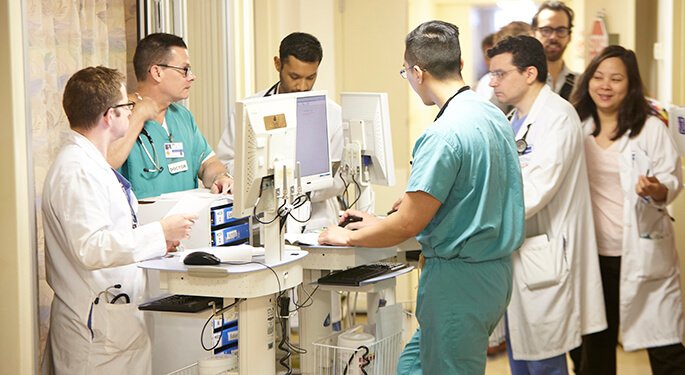
Critical care medicine is perhaps the most demanding and dynamic specialty in healthcare. It requires rapid decision-making, emotional stability or technical proficiency. Leading the way in this specialty are Physician Intensivists—medical physicians who specialize in the treatment of critically ill patients.
Who is a Physician Intensivist?
A Physician Intensivist is a highly trained medical doctor specializing in intensive care medicine. They provide life-sustaining treatment and monitor patients in Intensive Care Units (ICUs) who are dealing with life-threatening illnesses or injuries.
Unlike general physicians who deal with outpatient or non-critical cases, intensivists manage the most critically ill patients, including those on mechanical ventilation, dialysis, or those suffering from septic shock, severe trauma, or multi-organ failure.
Key Roles and Responsibilities
- Management of ICU Patients: Monitor and stabilize patients with critical illnesses.
- Advanced Life Support: Administer ventilator support, inotropic agents, and emergency interventions.
- Procedural Expertise: Insert central lines, arterial lines, perform intubations, and manage feeding tubes.
- Family Counseling: Communicate effectively followed by family members regarding prognosis, treatment options or goals of care.
- Coordination with Hospital Staff: Work with nurses, respiratory therapists, nephrologists, neurologists, etc., to deliver holistic care.
- Ethical Decision Making: Address complex ethical issues such as Do Not Resuscitate (DNR) orders and end-of-life care.
- Teaching and Mentoring: Often involved in teaching medical students and residents in academic hospitals.
Skills Required for Physician Intensivists
- Medical Knowledge: Strong understanding of pathophysiology and pharmacology.
- Critical Thinking: Rapid assessment or response in emergencies.
- Communication Skills: Clarity in high-pressure situations with families and teams.
- Leadership: Direct teams, especially during code blues or mass casualty situations.
- Empathy and Compassion: Balancing medical action with humane care.
- Adaptability: Working shifts and responding to changing clinical conditions.
Work Environment and Clinical Settings
- Intensive Care Units (ICU)
- Cardiac Care Units (CCU)
- Neonatal or Pediatric Intensive Care Units (NICU/PICU)
- Emergency Rooms (ER)
- High Dependency Units (HDU)
- Postoperative Recovery Rooms
Subspecialties in Critical Care Medicine
- Neurocritical Care
- Cardiothoracic Critical Care
- Trauma Critical Care
- Pediatric Critical Care
- Surgical Intensive Care
- Oncological ICU
- Infectious Disease ICU
Common Conditions Managed
- Septic Shock
- Acute Respiratory Distress Syndrome (ARDS)
- Myocardial Infarction with Cardiogenic Shock
- Stroke and Status Epilepticus
- Multi-organ Failure
- Pulmonary Embolism
- Severe Infections (e.g., COVID-19, H1N1)
- Polytrauma
- Postoperative Complications
Technological Integration in Critical Care
- AI and Predictive Analytics
- Real-time Patient Monitoring Systems
- Mechanical Ventilation with Advanced Settings
- Portable Ultrasound and ECMO Machines
- Electronic Health Records (EHRs)
Book And Appointment
Alegaonkar Clinic, located in Chhatrapati Sambhajinagar (formerly Aurangabad), offers specialized care in internal medicine, critical care, and chronic disease management. Contact Us